Fires are considered one of the most dangerous threats that any facility may face, whether residential, commercial, or industrial. With urban and technological development, installing fire fighting systems has become a necessity rather than an optional feature. These systems represent the first line of defense for protecting lives and reducing material losses, and they play a critical role in rapid response before a fire escalates.
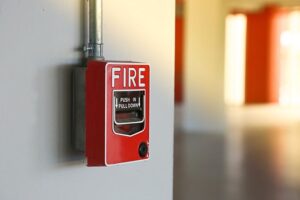
What is a fire fighting system?
A fire fighting system is an integrated system designed to detect fires at an early stage and deal with them automatically or semi-automatically. It usually consists of:
- Smoke and heat sensors
- Central control panel
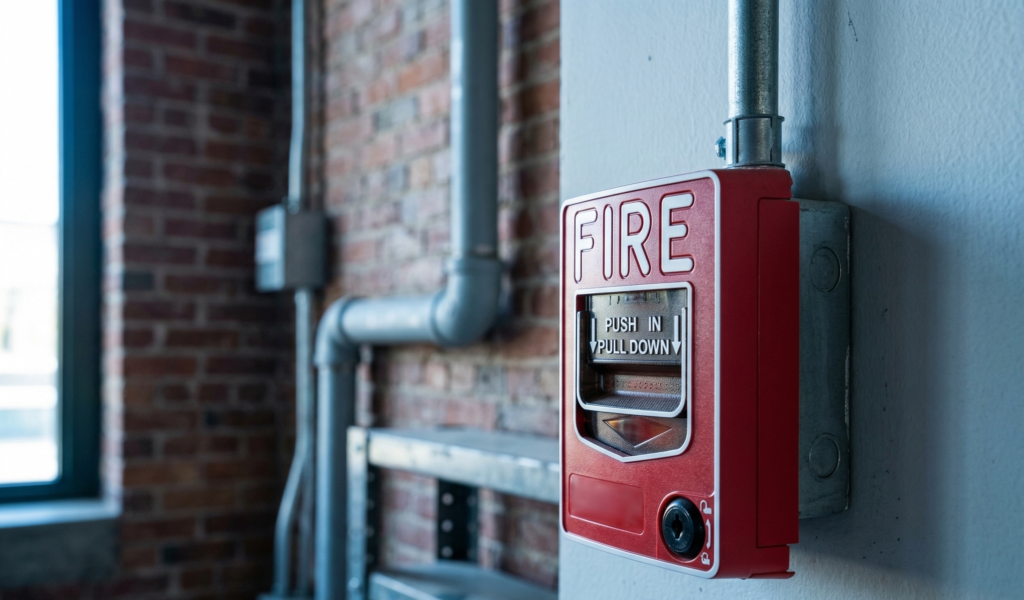
- Alarm devices (audio and visual)
- Fire suppression methods (water, gas, foam)
These components work together to detect any potential danger and respond immediately to minimize it.
Importance of installing fire fighting systems
Installing a professional system is not only about protection, but also provides many benefits:
- Fast response: Modern systems can detect fire within seconds
- Damage reduction: Early fire control significantly reduces losses
- Life protection: Provides enough time for safe evacuation
- Regulatory compliance: Required for licenses and to avoid violations
- Lower insurance costs: Facilities with modern systems get insurance benefits
Types of fire fighting systems
Systems vary depending on usage and potential risks:
- Sprinkler systems
The most common in residential and commercial buildings, they activate automatically when temperature rises. - Gas suppression systems
Such as FM200 and CO2, used in:
- Server rooms
- Data centers
Because they leave no residue after suppression.
- Foam suppression systems
Suitable for factories and warehouses containing flammable materials. - Early warning systems
Rely on advanced sensors connected to mobile applications for instant alerts.
Steps of installing a fire fighting system
The system is implemented through well-planned stages to ensure efficiency:
- Site inspection: Analyzing the location and identifying risks
- Engineering design: Preparing layouts according to international standards
- Installation: Executing works using certified equipment
- Testing: Ensuring system efficiency through practical tests
- Maintenance: Setting a periodic plan to maintain readiness
Importance of regular maintenance
Even the best systems require continuous maintenance to remain effective. It is recommended to have:
- Quarterly inspection
- Annual comprehensive maintenance
To ensure sensors and pumps operate efficiently.
Frequently asked questions
Can sprinklers operate without a fire?
No, they are designed to activate only when a specific temperature is reached.
Can the system be connected to a mobile phone?
Yes, modern systems provide instant notifications via apps.
Is the system suitable for homes?
Yes, there are solutions designed specifically for small spaces.
Why investing in fire systems is a smart decision?
Because the cost of prevention is always much lower than the cost of damage. An effective system can be the difference between a minor incident and a major disaster.
Do not delay safety decisions, every moment makes a difference.
Whether you own a home, company, or factory, installing a fire fighting system is an investment in your life and future. Choose a specialized company that provides integrated solutions according to the highest quality standards.
Start now toward complete safety and consult experts to protect what truly matters.