In the era of digital transformation, it has become essential to understand how to protect your data through a secure infrastructure within organizations and companies, as traditional protection methods are no longer sufficient against advanced cyber threats. Modern organizations rely on integrated systems of networks, encryption, and monitoring to ensure the protection of sensitive information and the continuity of business operations without interruption.
Applying this concept is not limited to installing security software; rather, it is based on building an integrated system that connects all technological components within the organization to ensure the highest level of digital security.

What does this concept mean?
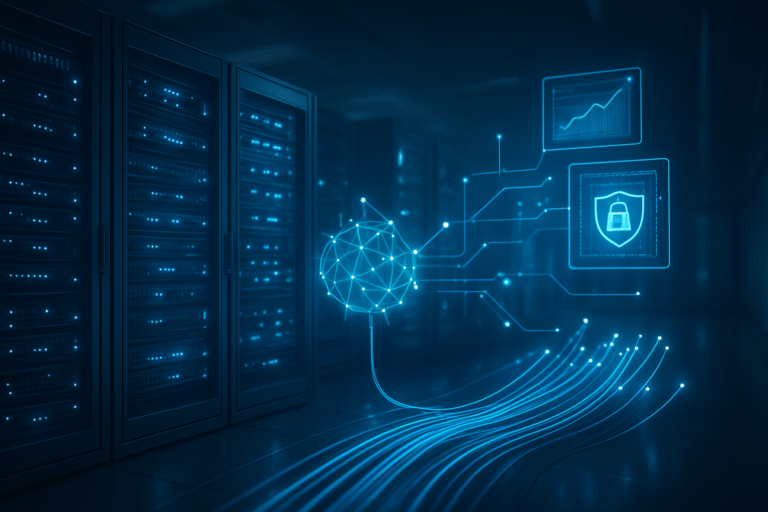
It refers to the use of technologies such as secure networks, protected servers, encryption systems, and firewalls to protect data from unauthorized access, loss, or breaches.
This approach has become a fundamental part of modern information security management.
How do you protect your data inside your organization?
Data protection is achieved through multiple layers, starting with securing the internal network, protecting data during transmission using encryption, and relying on continuous monitoring systems that detect unusual activity.
Backup systems are also used to ensure data recovery in case of failure or cyberattacks.
Key components of a secure infrastructure
The effectiveness of a secure system depends on several essential elements:
• Secure internal networks
• Firewalls
• Intrusion detection and prevention systems
• Advanced encryption technologies
• Secure data storage servers
• Regular backups
• Smart monitoring systems
Importance of secure data protection systems
Organizations that adopt this approach significantly reduce cybersecurity risks, increase customer trust, and ensure business continuity even in emergencies.
It also improves technical performance and reduces system failures.
Strategies for effective implementation
To successfully implement this approach, organizations should follow:
• Regular system updates
• Strong password policies
• Multi-factor authentication
• Employee cybersecurity training
• Continuous network monitoring
• Network segmentation to reduce risks
Frequently Asked Questions
Why is this important?
It helps protect data from hacking or loss and ensures business continuity.
Can it work without encryption?
No, encryption is a core component of any secure system.
Does it require continuous updates?
Yes, because cyber threats are constantly evolving
If you are looking for professional solutions to implement how to protect your data through a secure infrastructure within your organization, we provide the latest networking and cybersecurity technologies designed to protect your data and ensure business continuity.
Contact us today for a specialized consultation and to build a fully integrated security system that ensures the highest levels of protection and trust.