In the era of digital transformation, networks and IT infrastructure have become the backbone of any modern organization seeking growth and innovation. A strong technical infrastructure ensures system stability, fast data exchange, and enhanced information security within organizations. Today, companies rely on network and infrastructure solutions to manage daily operations and efficiently connect devices and systems.

Building a strong IT infrastructure is not limited to simply connecting devices. It involves a complete ecosystem that includes servers, networking devices, security systems, and intelligent network management that ensures stable and secure performance. Therefore, investing in network and IT infrastructure has become an essential step for any company aiming to improve operational efficiency and support future growth.
What Are Networks and IT Infrastructure?
Networks and IT infrastructure refer to the set of technological components that enable organizations to operate information and communication systems efficiently. These components include hardware and software that support connectivity and data exchange between users and systems within an organization.
A strong infrastructure helps to:
- Accelerate data transfer between devices
- Improve the performance of digital systems
- Protect information from cyber threats
- Ensure business continuity without interruptions
- Support company expansion and technological growth
Components of Networks and IT Infrastructure
A company’s IT infrastructure consists of several essential elements that work together to provide a complete digital environment. The most important components include:
1. Networking Devices
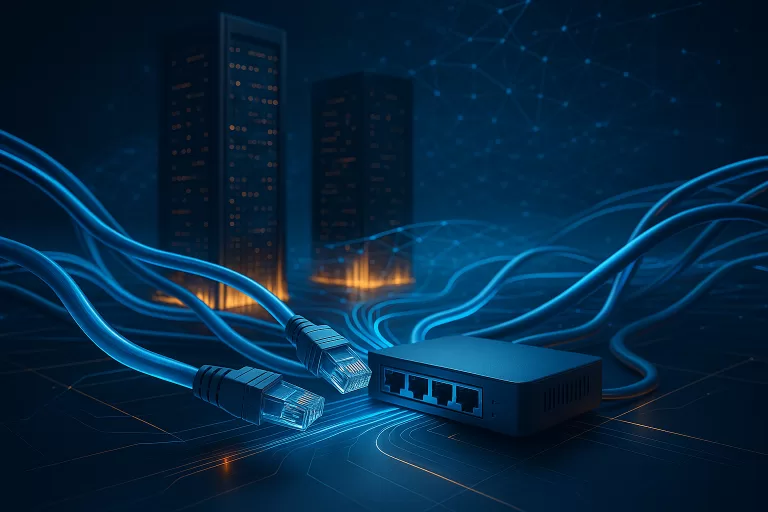
These include routers, switches, and wireless access points that connect various devices within the network.
2. Servers
Servers are used to store data, run applications, and centrally manage network resources.
3. Cabling and Structured Connectivity Systems
Organized cabling systems are essential for ensuring network stability and fast data transmission.
4. Security and Cybersecurity Systems
These include firewalls, intrusion detection systems, and security software designed to protect the network.
5. Network Management Systems
These systems help monitor network performance, analyze data, and resolve issues quickly.
Benefits of Building a Strong IT Infrastructure
Relying on a professional network infrastructure offers many advantages that help organizations improve performance and increase productivity.
Key benefits include:
- Faster communication and data exchange
- Reduced technical issues within the company
- Enhanced data protection and information security
- Support for remote work and cloud connectivity
- Easy network scalability as the business grows
- Improved efficiency in managing systems and applications
A strong IT infrastructure also enables companies to adopt modern technologies such as cloud computing, artificial intelligence, and advanced analytics systems.
The Importance of Networks and Infrastructure in Modern Organizations
Networks and digital infrastructure play a critical role in the success of modern organizations. Most business operations today rely heavily on digital systems and network communication. Having a well-developed technical infrastructure helps improve productivity and accelerate decision-making.
Advanced networking systems also help connect different company branches, making it easier to share data and files among employees and improving collaboration between teams.
Additionally, modern network systems provide a high level of reliability and security, which is especially important for companies dealing with sensitive data or critical operational systems.
How to Choose the Right Network and Infrastructure Solution
When planning to build or upgrade your organization’s network infrastructure, it is important to consider several factors to ensure optimal performance.
Key considerations include:
- Company size and number of users
- Types of systems and applications used
- Required level of security
- Future scalability
- Quality of devices and technologies used
- Availability of professional technical support
Choosing the right solution helps build a powerful network capable of supporting daily business operations efficiently.
Frequently Asked Questions About Networks and Infrastructure
What is the difference between networks and infrastructure?
Networks are responsible for connecting devices, while infrastructure includes all technical components that support the operation of digital systems within an organization.
Do all companies need advanced IT infrastructure?
Yes. Even small businesses require a suitable technical infrastructure to ensure system stability and data protection.
Why is network security important for organizations?
Securing networks protects sensitive information from cyberattacks and ensures safe and uninterrupted operations.
Can existing networks be upgraded without replacing the entire system?
In many cases, current networks can be upgraded by adding modern technologies and devices without replacing the entire infrastructure.
Start Building a Strong IT Infrastructure for Your Business
If you are looking for professional network and IT infrastructure solutions to enhance your digital work environment and strengthen information security within your organization, choosing the right system is the first step toward technological success.
Contact our expert team today for a comprehensive technical consultation and discover the best network and infrastructure solutions tailored to your business needs and future growth.