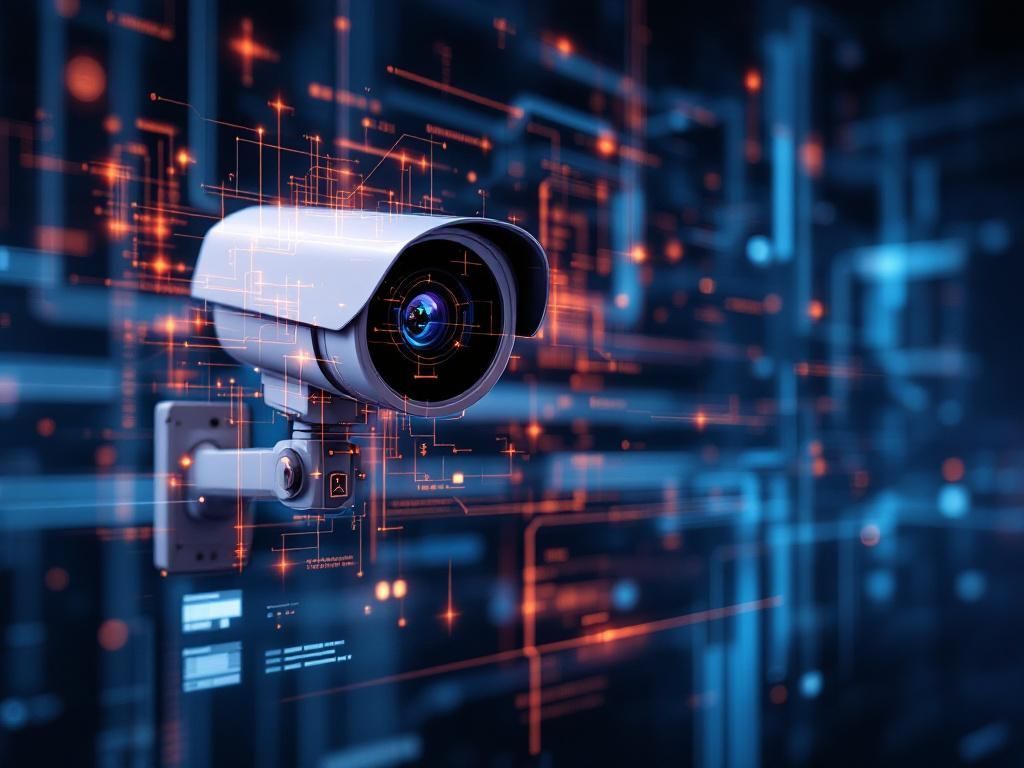
Understanding Traditional vs Smart Surveillance Systems is essential in modern security environments. Today, Smart Surveillance Systems are transforming how facilities are monitored and protected.
Unlike traditional cameras that only record footage, Smart Surveillance Systems use artificial intelligence and video analytics to detect threats instantly. As a result, organizations can respond faster and improve overall security efficiency.

What Are Traditional Surveillance Systems?
Traditional surveillance systems are basic monitoring solutions that rely on video recording. These systems store footage on devices such as DVR or NVR for later review.
However, they depend heavily on human monitoring. Therefore, detecting threats can take more time compared to Smart Surveillance Systems.
What Are Smart Surveillance Systems?
Smart Surveillance Systems use advanced technologies such as artificial intelligence and real-time video analysis. These systems can automatically detect unusual behavior, recognize faces, and identify vehicles.
In addition, Smart Surveillance Systems send instant alerts when suspicious activity occurs. This allows security teams to take immediate action.
Key Differences Between Traditional vs Smart Surveillance Systems
The main difference between Traditional vs Smart Surveillance Systems lies in performance and intelligence.
Traditional systems focus on recording only
Smart Surveillance Systems analyze video using AI
Smart systems provide real-time alerts
Smart systems deliver data insights
Traditional systems require human monitoring
Smart Surveillance Systems detect threats faster
As a result, Smart Surveillance Systems offer a higher level of protection and efficiency.
Advantages of Smart Surveillance Systems
Smart Surveillance Systems provide many benefits that make them ideal for modern facilities.
They support facial recognition and license plate detection
They analyze movement of people and vehicles
They send instant alerts for suspicious activity
They reduce false alarms
They allow remote monitoring via mobile devices
They integrate with other security systems
Therefore, Smart Surveillance Systems significantly enhance overall security performance.
When to Choose Smart Surveillance Systems or Traditional Systems
Choosing between Traditional vs Smart Surveillance Systems depends on your needs.
For example, small facilities may rely on traditional systems for basic monitoring. However, larger or high-risk locations benefit more from Smart Surveillance Systems due to their advanced capabilities.
FAQs About Smart Surveillance Systems
Are Smart Surveillance Systems better?
Yes, in most cases Smart Surveillance Systems provide better protection through automation and real-time alerts.
Can traditional systems be upgraded to Smart Surveillance Systems?
Yes, adding smart cameras or analytics software can upgrade existing systems.
Are Smart Surveillance Systems expensive?
They may cost more initially, but they reduce risks and improve efficiency over time.
Can Smart Surveillance Systems integrate with other systems?
Yes, Smart Surveillance Systems can connect with access control, alarms, and control rooms.
Conclusion
In conclusion, Smart Surveillance Systems are a key part of modern security strategies. They provide faster detection, reduce human error, and improve response time.
If you are looking to upgrade your security, Smart Surveillance Systems offer the best solution for protecting your facility efficiently.
Contact us today for a professional consultation and assistance in building an integrated surveillance system that meets your security needs.